Focus 2030 and the Sustainable Development Goals: at the heart of our work
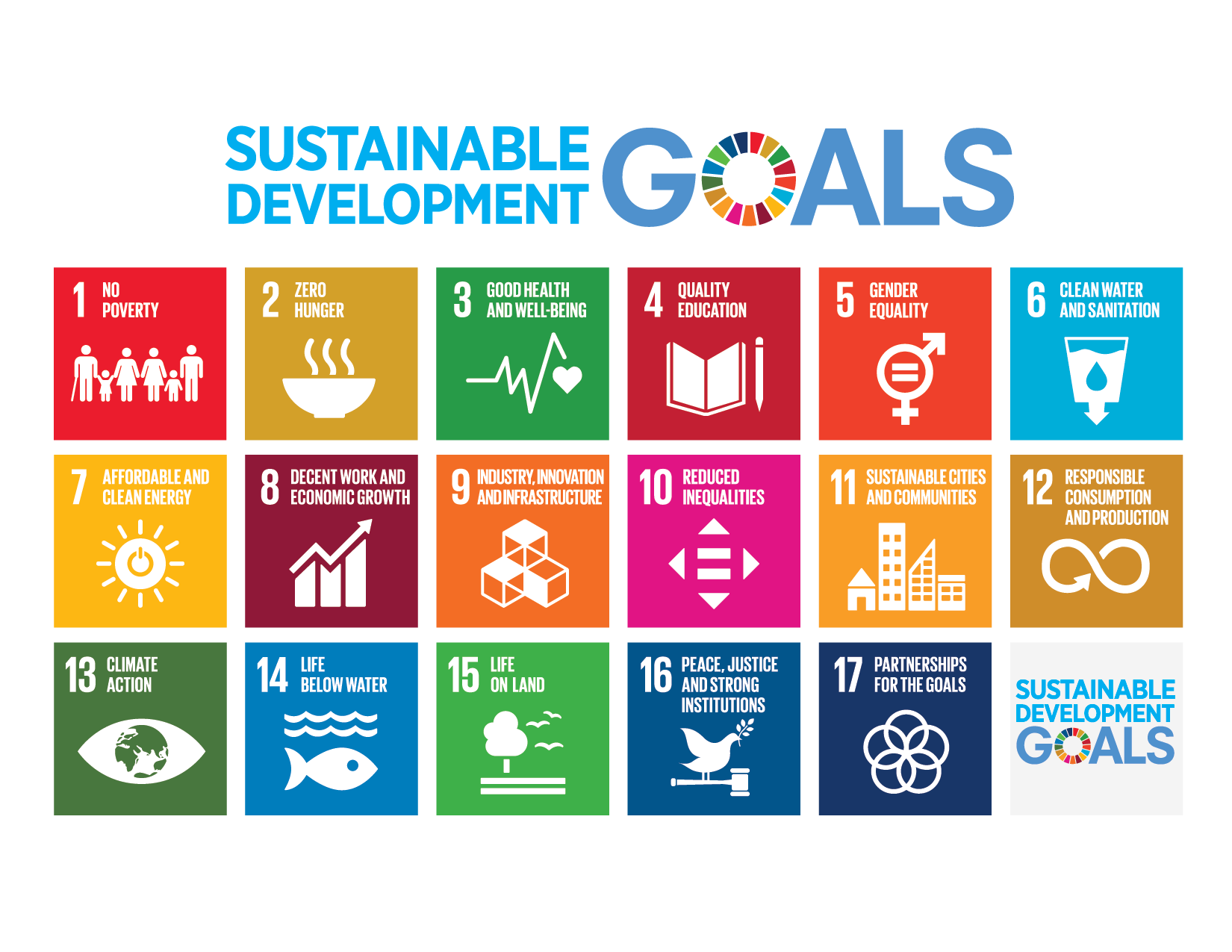
The Sustainable Development Goals (SDGs), also known as “Agenda 2030” are a series of 17 goals adopted by 193 United Nations member states on 25 September 2015. Through sustainable (economic, environmental, and social) development, the overall objective of this unique framework is to create a better world, and a better life for all, by 2030.
And yet, without political will and without citizens’ involvement, especially given recent populist movements, there is a real danger that the promises made in 2015 to achieve SDGs by 2030 will not be put into practice.
In order to ensure that the necessary steps are taken to make these incredible Goals become reality – saving or improving the lives of millions of people worldwide – we must ensure that the SDGs are promoted, debated, defended, and mainstreamed into our public policies. They must also be integrated more broadly into civil society work (on the ground, and as a vehicle for citizen accountability).
Evert year, month, day, hour and second that goes by without the necessary action needed on the SDGs is a tragedy for our planet and each and everyone of the world’s citizens, especially the poorest.
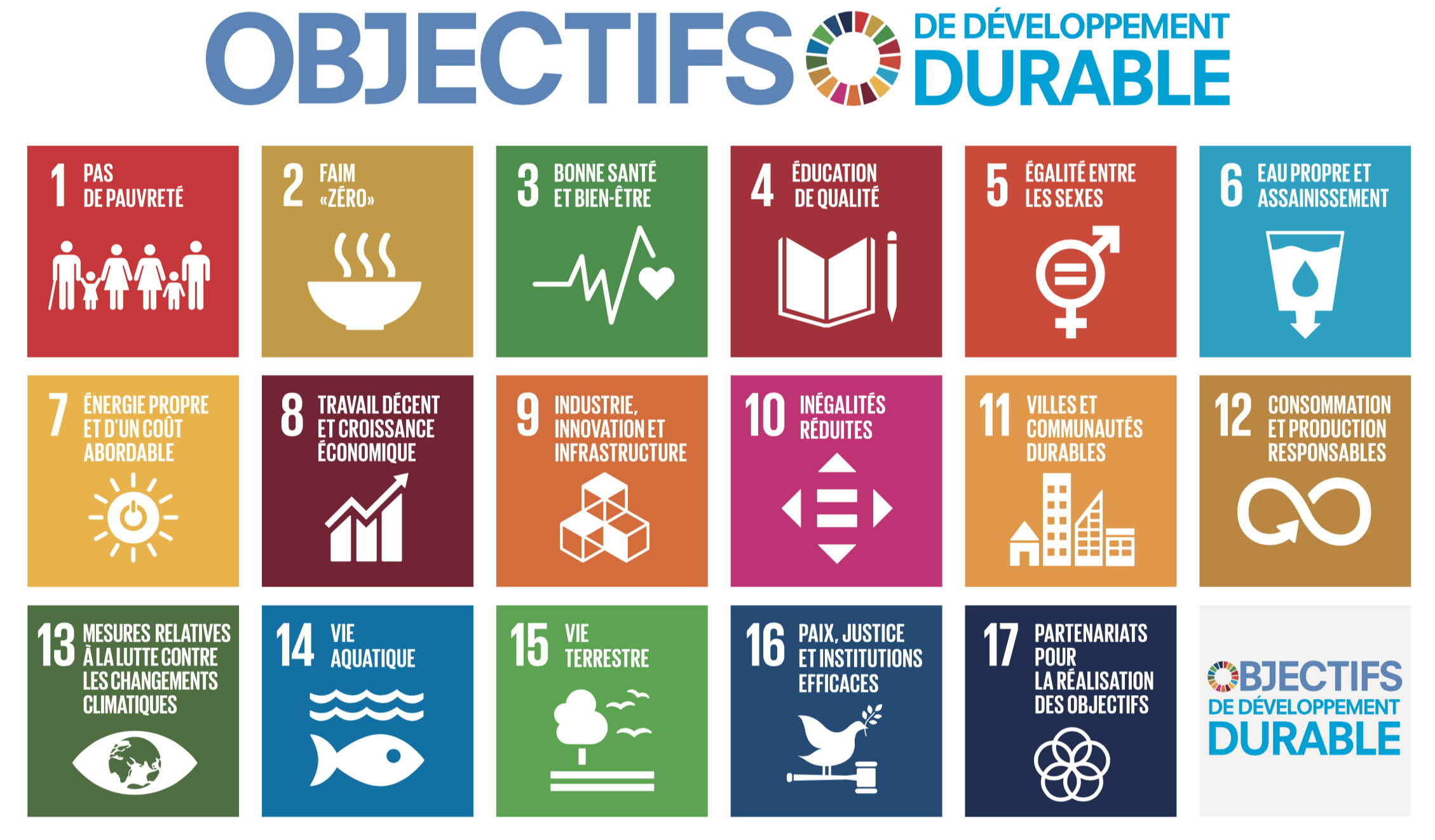
The Sustainable Development Goals are:
17 ways to put the world to rights
The SDGs provide a way to focus political will, and financing, on the biggest challenges which the world faces today, such as the fight against poverty and inequality (gender inequality, access to health, nutrition, energy, water and education), ocean conservation, forests, climate change, and the fight for dignity and security for everyone, everywhere.
One method for all
Every year, national, regional, and global progress against the goals is measured by tracking efforts against a series of 232 indicators which accompany the 169 targets (sub-Goals). This tracking gives us a picture of both global progress as well as individual countries’ implementation of the Goals.
One deadline for all: 2030
The 2030 deadline exists for all of the 17 goals, and every UN member state. The countdown began on 1 January 2016 and offers a way for all countries to work together and focus collectively on undertaking the necessary measures and reforms to achieve the goals by 2030.
Governments taking responsibility
Every year, governments must provide a report detailing the measures taken to meet the SDGs, not only in their own countries but also in the countries where they work. Although the SDGs are a non-binding framework, they offer a unique opportunity for civil society, academics and the media to fully play their role of scrutinizing public policies and government work in order to assess their quality and impact.
The end of individual priorities: bringing together development under a social, economic and environmental nexus
The SDGs also provide a new way to examine and solve contemporary global challenges. By demonstrating how each of the SDGs are interconnected, the framework demonstrates the importance of working collectively as governments, citizens, businesses, civil society or researchers to achieve them all, in order to achieve each one.
An unprecedented awareness of our interdependency
The world has never been as interconnected as it is today in terms of our entwined and globalised economies, cultures, tourism, information, science, or politics. And yet public policies are often designed or debated at a national level only. The SDGs provide a way to visualise how we all affected by the same global challenges, wherever we are, whether it is inequality or climate change. It is a framework of global challenges, but also of global solutions: offering each and every one of us the ability to understand the issue, and to hold our governments to account in doing something about it.
A unique opportunity to change the direction of our future, together
The underlying, central principle of the SDGs is to “leave no-one behind” in ensuring that the most fragile, vulnerable or ignored – or even invisible – are included and protected. The SDGs provides these traditionally-marginalised groups with a way of being seen, heard, and taken into consideration. They also ensure that citizens and civil society can campaign to ensure that their government’s public policies are aligned with principles of greater human dignity, solidarity and environmental protection.