Contact

  • Français
  • Español
  • Surveys - Analysis
    Français    

    Higher taxes for financial markets: a good idea for most people

    Published on 16/07/2019.

    55% of French people think higher taxes on financial markets would fund aid to developing countries.

    This question however does not delve into respondents’ understanding of development aid, nor what is meant by “financial markets”. This said, it still appears highly relevant (or fair) to a majority of people to tax financial market transactions to contribute to aid to developing countries.

    Only 14% of French people disagree with this idea. 10% did not have a view.

    It is likely that the level of support for this idea would be higher still if people realised that they would not be personally affected by such a tax, i.e. that their personal, professional, or family financial transactions (such as inheritance) would not be considered as falling into the category of financial market transactions. If offered a short and clear explanation, then, it is possible that a strong coalition could be built of a majority of French people around the idea of innovative financing for development (already in place in France through its national tax on financial transactions) particularly from the generally accepted principle of greater taxation of the rich to support the poor.

    Support for this idea rises with age, which can be explained by the fact that those under 25 are three times more likely than those over 50 not to know how to answer the question, and by extension, probably unaware of this particular type of financing mechanism, and its implications either at a personal, national or international level. This would also suggest the usefulness of an appropriate awareness-raising campaign based on accessible, engaging information.

    To learn more
  • Baromètre de la solidarité internationale n°5 - Les français·e·s, le G7 et les inégalités dans le monde
  • Retrouvez la méthodologie du projet Development Engagement Lab
  • ALSO READ

    Development financing - 09 April 2026

    Historic drop in Official Development Assistance in 2025

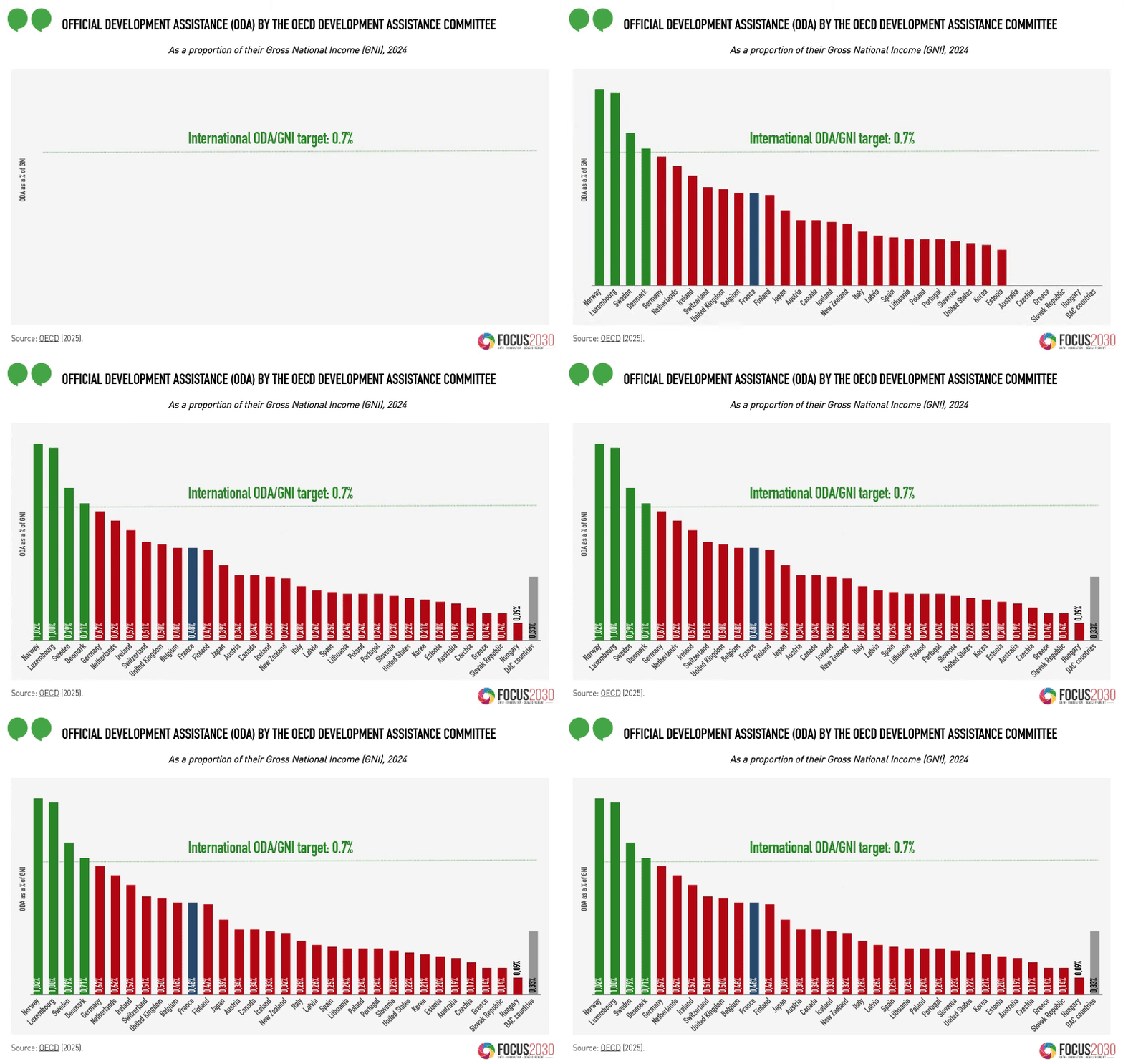
    ODA from DAC members fell to 174.3 billion USD in 2025, a 23.1% drop from 2024 (-50 billion USD in real terms), representing 0.26% of their income. It is the highest fall on record. 
    Development financing - 30 March 2026

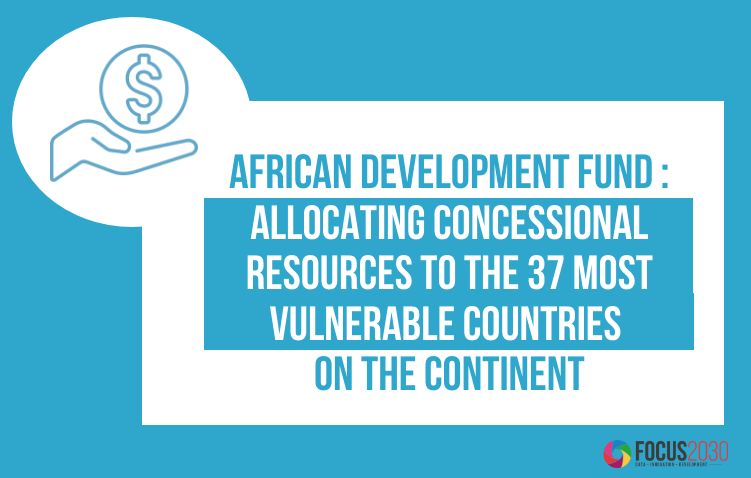
    The African Development Fund: allocating concessional resources to the 37 most vulnerable countries on the continent

    As the 17th replenishment of the African Development Fund (ADF-17), held on 15-16 December 2025 in London, draws to a close, expressed financing needs from beneficiary countries have reached USD 25 billion. In a context of mounting budgetary pressures among traditional donors, a central question emerges : will international mobilization be sufficient to meet the challenges ?
    Development financing - 03 February 2026

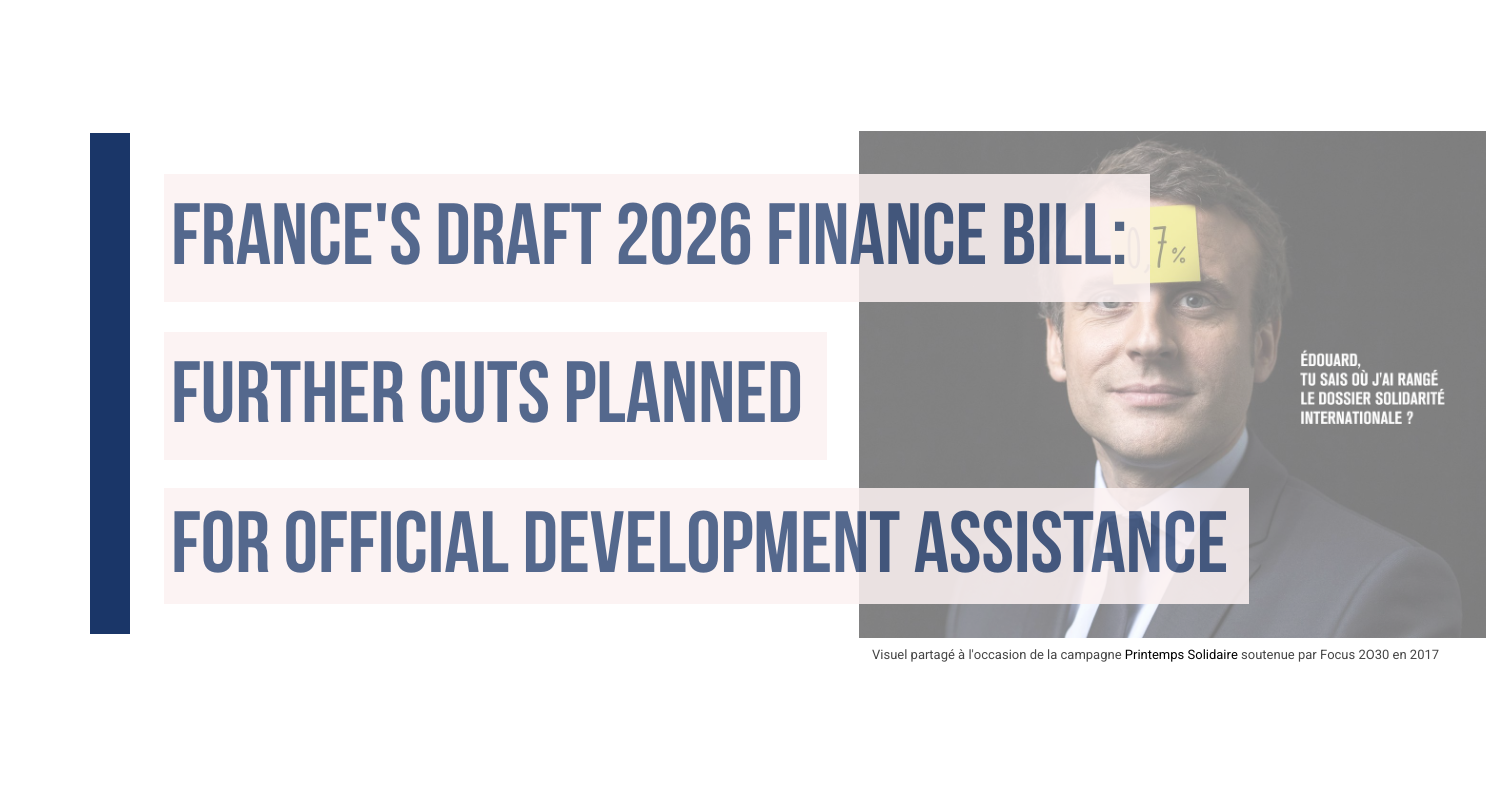
    2026 Finance Bill: a fifth cut in French official development assistance

    France's finance bill for 2026 enshrines a 803 million euros cut in the ODA budget, the fifth in less than two years. Analysis.
    Development financing - 08 January 2026

    A majority of French people support an increase in development aid

    56% of French people want to maintain or increase official development assistance to the poorest countries.
    Development financing - 01 July 2025

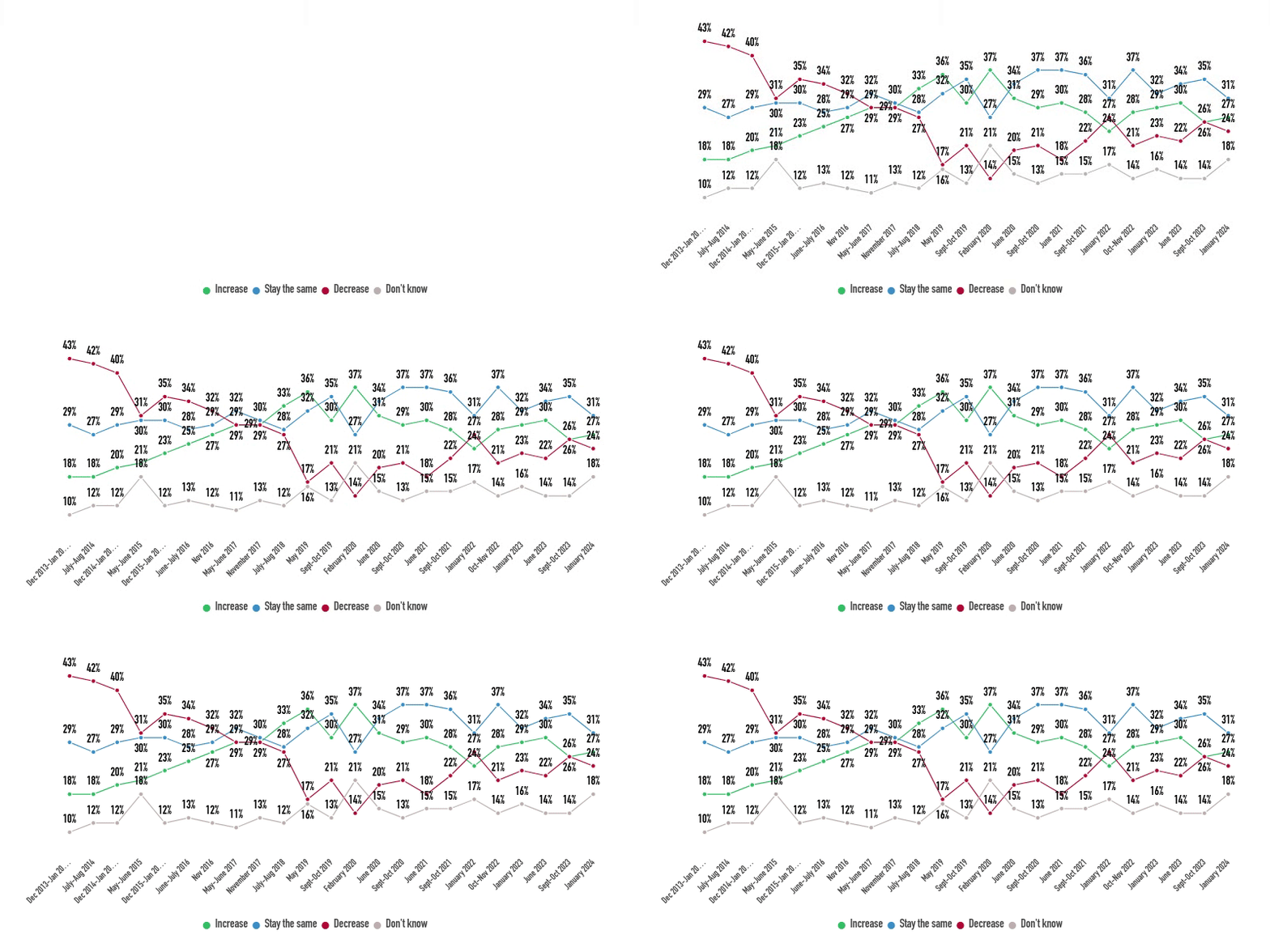
    Increase or decrease development aid? Evolution of opinions in France, Germany, the United Kingdom and the United States

    In partnership with University College London (UCL) and Birmingham University, Focus 2030 is conducting a research-action program to analyze the perceptions, attitudes, behaviors and feelings of citizens on international solidarity issues in four countries: France, Germany, United States and United Kingdom.
    Development financing - 20 June 2025

    The impact of Donald Trump’s presidency on international development. An analysis.

    As Donald Trump is sworn in for a second term, what are the consequences for the international solidarity sector and the global fight against poverty and inequality? Analysis.